HeliumHotShop Helium Mapper (Plug-and-Play)
A Helium Mapper is a small battery-powered LoRaWAN tracker that sends its GPS position to nearby hotspots while you walk, cycle or drive. The data shows where the network actually has coverage, street by street. A plug-and-play version arrives flashed, configured and ready to switch on, so you skip the soldering, firmware and console setup that a DIY build demands.
Typical specs for this class of device: a GPS module, a 868 MHz LoRa radio for Europe, a rechargeable lithium battery of around 1000 to 3000 mAh, and a compact case. Expect to pay from about 40 to 90 EUR depending on the battery and enclosure.
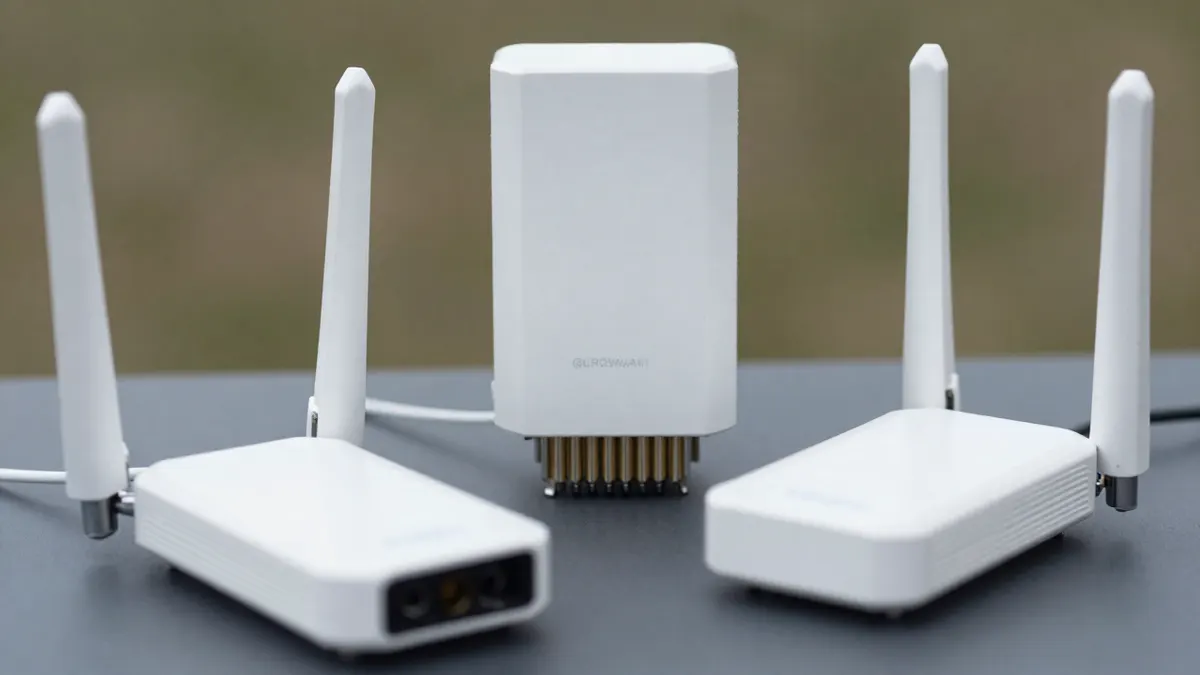
What a Helium Mapper Is Used For
Hotspot owners use a mapper to check whether their antenna placement works. Moving a hotspot from a window to a roof can change the usable radius from 300 m to more than 2 km in open terrain, and a mapper shows that difference in a few hours of walking.
Community mapping also helps neighbours and businesses decide whether Helium coverage is good enough for sensors, trackers or meters. Gaps in dense city blocks, tunnels and valleys show up quickly on the coverage map.
Helium Mapper Plug and Play: What You Actually Do
Setup is short. Charge the unit, register it with the mapping service, then go outside with a clear view of the sky. The GPS lock usually takes 30 to 90 seconds on a cold start.
- Charge the battery fully (about 2 to 3 hours over USB).
- Add the device to your account using the identifiers printed on it.
- Switch it on outdoors and wait for the GPS fix.
- Move steadily and let it transmit a packet every 10 to 30 seconds.
- Check the results on the coverage map after a few minutes.
Walking pace gives the densest data. By car, speeds above 50 km/h leave wide gaps between points, and fast uplinks at a high spreading factor may not be received at all.
Plug-and-Play or DIY?
A DIY board costs less, often around 25 to 35 EUR, but you flash the firmware, set keys and fix problems yourself. If you enjoy that kind of tinkering, a Heltec CubeCell helium mapper is a well-documented starting point and teaches you how the pieces fit together.
For everyone else the ready-made unit saves an evening of troubleshooting. Pick it if your goal is to test coverage, not to learn embedded programming. The difference in range between the two is small, because both use similar radios and antennas.
Battery and weather
Most units run 8 to 24 hours per charge at normal reporting intervals. Cold below 0 °C cuts that noticeably. A case rated IP65 survives drizzle, but keep the unit out of a closed bag so the GPS antenna still sees the sky.
Reading Your Results
Each point on the map is a packet that reached a hotspot. Green or strong points mean good signal, while missing stretches mean no hotspot heard you. Do not judge a hotspot on one walk. Repeat the route on a different day, because weather, traffic and foliage change radio conditions.
If you see no coverage near your own hotspot, check that it is online and synced before blaming the mapper. A basic board such as a Raspberry Pi 4 Model B running a DIY hotspot needs a stable network connection and reliable power, and an outage looks exactly like a dead zone on the map.
To go beyond mapping, browse the wider range of IoT devices for helium, from tracker tags to environmental sensors that use the same coverage you just tested.
Frequently Asked Questions
How far can a Helium Mapper connect to a hotspot?
In open country with a roof-mounted hotspot, 5 km or more is possible. In a city, 300 m to 1.5 km is more realistic because buildings block the signal. Range depends far more on antenna height than on the mapper itself.
Does a Helium Mapper earn rewards?
The mapper itself is a testing tool and does not mine. Rewards have historically gone to hotspots that provide coverage and to participants in mapping programs, and the rules have changed over time, so check the current network documentation before counting on any income.
Do I need a SIM card or mobile data?
No. The mapper talks to hotspots over LoRa radio. You only need a phone or computer later to view the coverage map online.
Can I use a European mapper in the US?
Not without the right radio. Europe uses 868 MHz and North America uses 915 MHz, so buy the variant that matches the region where you will map.