Helium Mining Equipment: Hotspots, Antennas and Gear Guide
Helium mining equipment: what a working setup includes
A Helium setup needs four things: a LoRaWAN hotspot, an antenna, a power source and a stable internet connection. Everything else is optional.
The hotspot is a small gateway, usually the size of a paperback, that listens to low-power radio signals from IoT sensors and passes the data to the network. It draws only 5 to 15 watts, so running costs stay around 10 to 25 euros a year in most European countries. Most units come with a basic antenna of 2 to 3 dBi, fine for a test but rarely good enough for a rooftop or window position.
Mining is a loose word here. Today, hotspots earn mainly by providing coverage and by moving data for real devices, so rewards depend heavily on location, not on raw hardware power. A cheap unit in a dense, uncovered area can beat an expensive one in a crowded neighborhood.
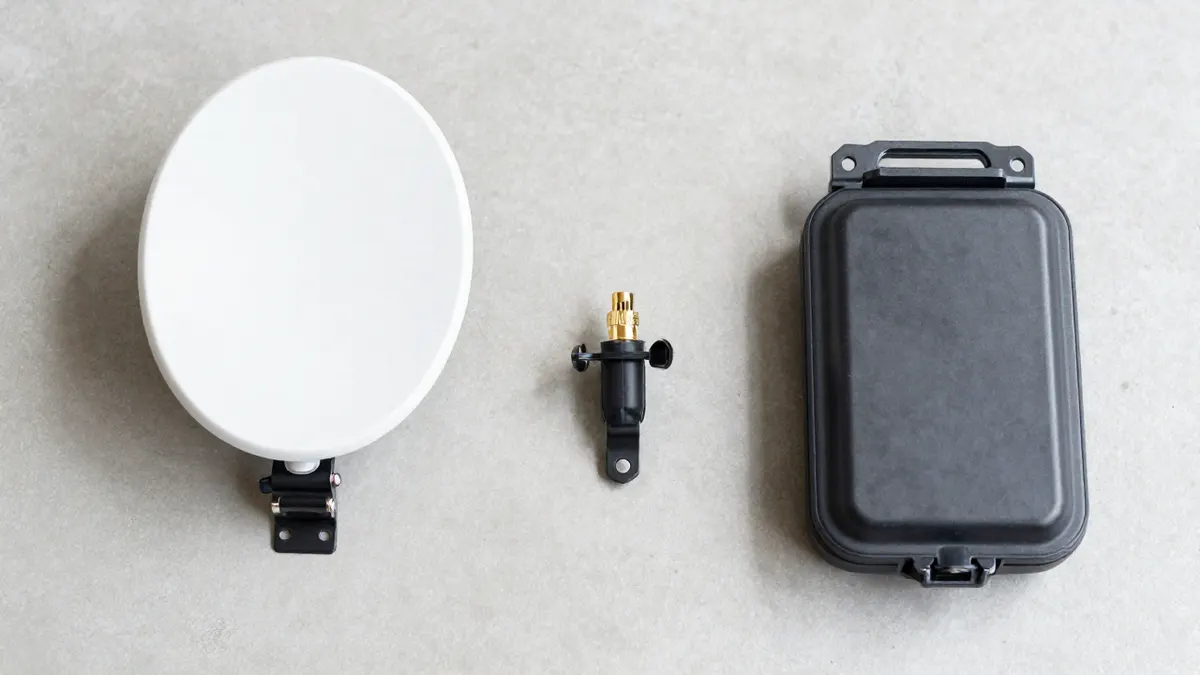
Helium hotspot shop: how to compare the models
When you browse any Helium hotspot shop, ignore the marketing and check five specifications.
- Frequency plan: EU868 for Europe, US915 for North America. A wrong band means no coverage.
- Channels: 8-channel gateways are standard, and 16-channel units handle more traffic.
- Connectivity: Ethernet is the most reliable, Wi-Fi is acceptable for light use.
- Power: PoE support saves a cable when the unit sits outdoors or high up.
- Enclosure rating: IP65 or better if it goes outside.
Indoor models cost from around 100 to 250 euros. Outdoor units with a built-in or external antenna start closer to 300 euros and can exceed 500. Spending more rarely pays back faster, so start with a mid-range indoor unit unless you already have a good rooftop spot.
Buying a Helium miner in Europe
Buying a Helium miner in Europe has a few traps that North American guides skip. The first is the frequency plan, which must be EU868. The second is certification: look for a CE mark and, for radio gear, compliance with the EU Radio Equipment Directive.
Check where the unit ships from. Parcels from outside the EU can add VAT (often 19 to 25 percent) and customs fees on delivery, which turns a bargain into an average price. Delivery inside the EU usually takes 3 to 7 working days.
Be wary of listings far below the typical range. Refurbished units from 2021 and 2022 are common, and some run outdated firmware. Ask for the model name, the onboarding method and whether the unit is still supported on the network today.
Used versus new hardware
Used hotspots can work well, but the price should reflect it, around 30 to 50 percent below new. Older models may lack PoE, have weaker radios or no longer receive updates. A new unit with a warranty of 12 to 24 months is the safer choice for a first setup.
Antennas, cables and placement
The antenna matters more than the hotspot. Moving from a stock 3 dBi antenna to a 6 dBi outdoor model, mounted 5 to 10 meters higher, can double the area covered. Higher gain narrows the vertical beam, so it suits flat terrain better than hills. A dedicated Helium antenna shop is the easiest place to compare gain, length and connector types.
Cable loss counts too. A cheap coaxial cable loses around 1 dB every 3 meters at 868 MHz, so keep runs short or choose low-loss cable. Every connector adds a small loss as well. Where the unit sits is covered in our notes on Helium hotspot mounting, including masts, balcony brackets and chimney clamps.
Other gear worth considering
Lightning protection, a surge arrestor and a weatherproof box are small costs, about 15 to 40 euros together, that protect a far bigger investment. A PoE injector, spare Ethernet cable and a UPS for outages are useful extras. The wider category of Helium network equipment also includes sensors, gateways for private networks and tools for signal testing.
A basic signal meter or a smartphone app helps check coverage before you commit to a mounting point. A short test with the hotspot on a temporary pole often saves a second climb onto the roof.
Frequently Asked Questions
How much does Helium mining equipment cost in total?
A basic indoor setup runs around 150 to 300 euros including a better antenna and cable. An outdoor installation with mast, surge protection and PoE can reach 400 to 700 euros. Prices vary by model and by country.
Is Helium mining still profitable in 2026?
Returns are modest and depend on location, local competition and real data traffic. Treat it as a way to support a network and earn small rewards, not as a quick payback. Many owners now see payback measured in years, not months.
Do I need a special license to run a hotspot in Europe?
No license is needed for EU868 devices that stay within legal power limits. The gear must carry CE marking and respect the permitted transmit power, usually up to 25 mW in many sub-bands. Check your national rules for outdoor antennas.
Which accessories are worth buying first?
Start with a better antenna and a short low-loss cable. After that, surge protection and a PoE injector add the most value. A full list sits under Helium miner accessories.
Once your hotspot and antenna are set up, check the list of helium miner accessories for adapters and connectors you may still need.