SenseCAP M1 Super Sale: What to Know About the EU868 8GB Indoor Hotspot
A SenseCAP M1 super sale usually means one thing: a discounted LoRaWAN indoor gateway, often the EU868 version with 8GB of storage, sold below its old launch price of roughly 300 EUR. Prices in sale listings tend to fall somewhere between 60 and 150 EUR, depending on stock and condition. Treat those numbers as rough reference points only.
Before comparing offers, it helps to know exactly what the device is and what it can still do in 2026.
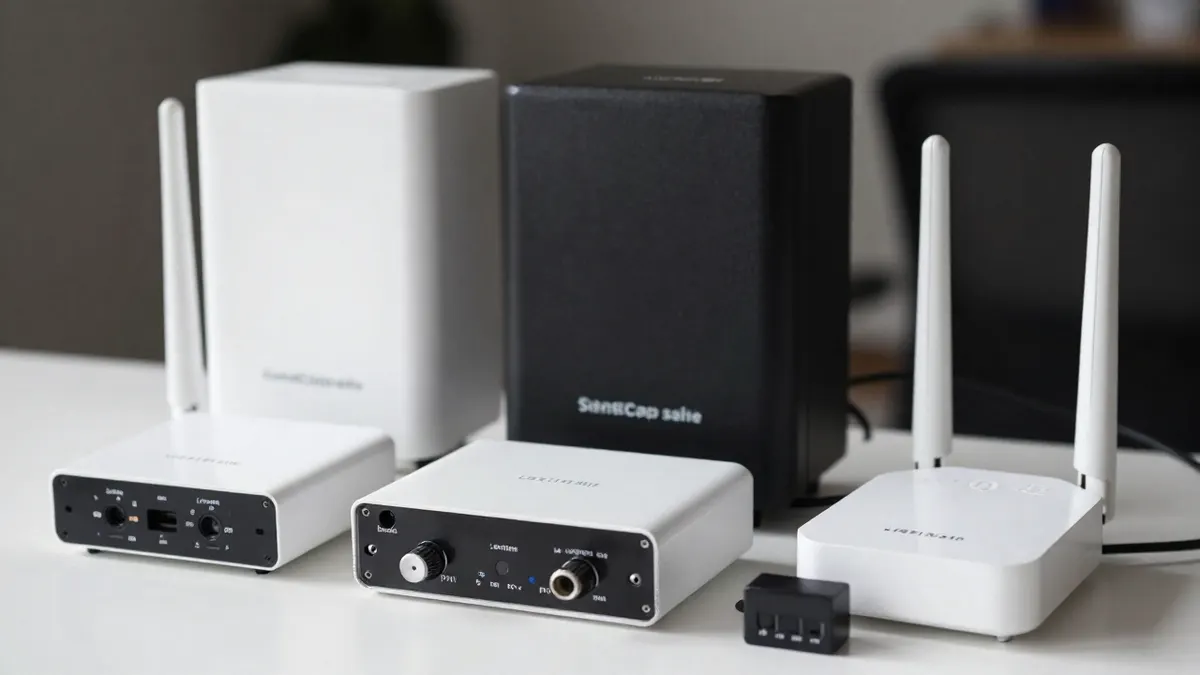
SenseCAP M1 super sale: what the hardware actually is
The M1 is a compact indoor LoRaWAN gateway built around a Raspberry Pi 4 style board with a Semtech concentrator. It was designed to join the Helium network, where it relayed data from low power sensors and earned HNT tokens in return.
- Frequency plan: EU868, for Europe, the UK and parts of Africa and the Middle East
- Storage: 8GB eMMC
- Connectivity: Ethernet and Wi-Fi, plus Bluetooth for setup
- Power: 5V USB-C supply, drawing around 5 W
- Typical indoor range: 1 to 3 km in cities, more with a clear line of sight
The 8GB model is the one most sale listings refer to. Check the label or the listing for the frequency, because a US915 unit will not work legally in Europe.
Is a discounted M1 still worth buying in 2026?
It depends on what you want from it. Mining rewards on Helium's LoRaWAN side have dropped a long way since 2021, and an indoor unit at a typical home will earn very little. Anyone buying purely for income should do the maths first, with a realistic expectation of a few HNT-equivalent cents per day at best, and often less.
As a gateway for your own sensors, the picture is better. A single M1 covers an apartment block, a garden and a small workshop, and it runs on a normal internet line without any fuss. For coverage experiments, a school project or a small sensor network, a cheap unit makes sense.
Signs of a genuine deal
Look for a sealed box, a clear EU868 label, a power supply with an EU plug and a stated warranty period, usually 12 to 24 months. If the price is under about 50 EUR, ask why. Used units with an unknown history, or ones locked to an old onboarding account, can be a headache.
Versions of the M1 you may run into
Several batches circulated over the years, and sellers sometimes mix the names up. The standard SenseCAP M1 indoor hotspot is the base reference. The SenseCAP M1 April edition refers to a specific production batch, and some owners report small differences in firmware behaviour and onboarding. If a listing does not say which batch you are getting, assume nothing.
Some people want coverage outside the house, on a roof or a mast. The M1 is not weatherproof, so in that case a SenseCAP outdoor gateway is the correct category to look at, as it is sealed against rain and built for external antennas.
Setting it up and placing it well
Setup takes around 15 minutes. Plug in Ethernet, power it on, and follow the onboarding steps in the companion app over Bluetooth. Ethernet is more stable than Wi-Fi, so use it if you can.
Placement matters more than anything else. Put the unit near a window, as high as practical, away from metal shelves and thick concrete walls. A hotspot on the top floor will often cover double the area of one in a basement. The stock antenna is a small 2 dBi unit, and swapping it for a better external one is possible only on certain versions, so check before you plan anything.
Common problems after buying
Three issues come up again and again. The first is a wrong frequency plan. The second is a unit that will not onboard because it was registered earlier. The third is poor placement, which looks like a fault but is just weak coverage.
Firmware updates can also take a while after a long time in storage. Leave the device powered and connected for an hour before concluding it is dead.
Frequently Asked Questions
What does the 8GB mean on the SenseCAP M1?
It is the onboard storage that holds the operating system and gateway software. It has no effect on range or reward levels. Almost every M1 sold in Europe carries this size.
Can I use an EU868 hotspot outside Europe?
Not legally in most regions. The US uses 915 MHz, and running 868 MHz hardware there can break local radio rules. Always match the frequency plan to your country.
How much can an indoor M1 earn today?
Very little in most locations, often only a few cents per day, and sometimes nothing where coverage is already dense. Rewards vary with the network and token price, so any figure is only a rough guide.
Is the M1 suitable for outdoor use?
No. It has no weather sealing and should stay indoors. For roofs and masts, pick a gateway rated for outdoor conditions, typically IP65 or better.
How far can an M1 reach?
In a city, expect around 1 to 3 km. In open countryside with a high position, 5 to 10 km is possible, though results vary widely with terrain and buildings.