SMA Surge Arrester by Times Protect: Male-to-Female Inline Guard
A Times Protect lightning protection SMA male to female unit is a small inline surge arrester that sits between your antenna cable and the radio. One end carries an SMA male plug, the other an SMA female socket. It gives a voltage spike a path to ground before it reaches the miner or gateway.
It does not stop a direct strike. Nothing this size does. What it handles is the induced surge that travels down a coax cable when lightning hits somewhere nearby, which is the far more common event.
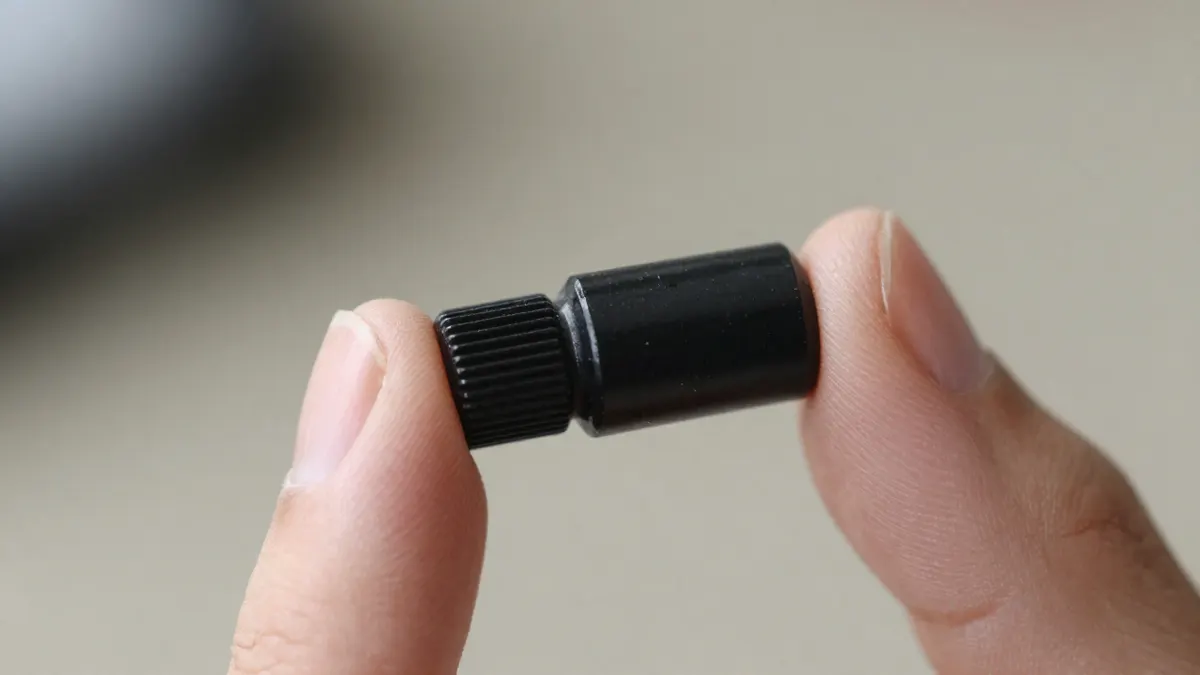
How the Times Protect lightning protection SMA arrester works
Inside the body is a gas discharge tube or a quarter-wave stub, depending on the model. Under normal signal levels it stays invisible. When voltage jumps past a threshold, the element conducts and diverts the energy to the metal housing, which must be bonded to earth.
That last point matters most. An arrester with no ground wire is just an expensive adapter. The body or a lug on it needs a short, thick copper conductor running to a proper earth rod or the building's grounding point.
Typical specs for this class of SMA protector are a frequency range from DC or a few MHz up to about 6 GHz, insertion loss under 0.2 dB, and VSWR below 1.2. That covers LoRaWAN bands (868 MHz in Europe, 915 MHz elsewhere) with room to spare.
Where to fit it on a LoRaWAN hotspot
Place the arrester as close as you can to the point where the cable enters the building. Many people put it right on the back of the hotspot instead, and that works for a short run, but it leaves the cable inside the house exposed to the surge.
A common layout looks like this:
- Outdoor antenna on a mast or wall bracket
- Low-loss coax down to the entry point, often 5 to 10 metres
- Arrester bonded to ground at the entry
- Short jumper to the hotspot
Check the connector genders before you plan the chain. Most hotspots have an SMA female or RP-SMA female port, so the cable end facing the device usually needs a male plug. If your gear uses the reversed pin arrangement, an RP-SMA female to male adaptor or an RP-SMA male to female adaptor may be needed on one side. Mixing standard SMA and reverse polarity parts is the most frequent reason a new setup gives no signal.
Choosing the right model
The range sold under the Times Protect lightning protection name includes several connector types. For small hotspot installs the SMA version is enough. For a bigger outdoor antenna on thick coax, you will more likely want the N-type version, such as the Lightning protection N-female to N-male, and then a short jumper down to SMA.
Look at three things before settling:
- Frequency range, which should cover your band including 868 or 915 MHz
- Connector type and gender on both sides
- Whether it is a gas tube (handles repeated surges, needs DC block awareness) or a stub type (passes DC, lower residual voltage)
If your antenna is a powered one, for example with a built-in amplifier fed through the cable, a DC-blocking gas tube design will cut the supply. Pick a DC-pass model in that case.
Installation tips that save trouble
Tighten SMA connectors by hand, then give a gentle quarter turn with a torque wrench set to about 0.5 N·m if you own one. Pliers crush the thread and cause intermittent faults that are painful to trace.
Seal outdoor joints with self-amalgamating tape, then a layer of vinyl tape over it. SMA is not weatherproof by itself. Keep the arrester indoors or inside a dry enclosure if it is not rated for rain.
Keep the ground lead short, ideally under 1 metre, and avoid sharp bends. Every extra bit of wire adds inductance, and a surge treats that as resistance.
Frequently Asked Questions
Does a lightning arrester reduce my Helium hotspot range?
Only slightly. A good SMA arrester adds around 0.1 to 0.2 dB of loss, which is negligible next to a few metres of cable. A cheap unit with poor plating can add more, so check the stated insertion loss.
Will it protect against a direct lightning strike?
No. It limits the surge induced on the cable, not the energy of a direct hit. For exposed masts you also need a proper air terminal and grounding system around the antenna itself.
Can I use it with an RP-SMA hotspot?
Only with the correct adaptor. Standard SMA and RP-SMA look nearly identical but the centre contact is swapped, so they will not carry signal if mixed. Verify the port type on your device first.
Do I need to replace it after a storm?
Often yes, if a strong surge hit the line. Gas tube units can fail open or short, and you may notice weak signal or no signal afterwards. Replacing it costs a small fraction of the hotspot, at roughly 15 to 40 EUR for typical SMA models.