J20 Waterproof Tape: Self-Bonding Sealing for Hotspot and Antenna Connections
J20 waterproof tape is a self-bonding (self-fusing) silicone-style tape that sticks to itself, not to the surface underneath. Wrapped with tension, the layers fuse into one solid rubber sleeve in a few hours. That makes it a common choice for sealing coax connectors, N-type joints and cable entries on outdoor LoRaWAN hotspots.
It leaves no sticky residue. You can cut it off with a knife later and the connector underneath stays clean.
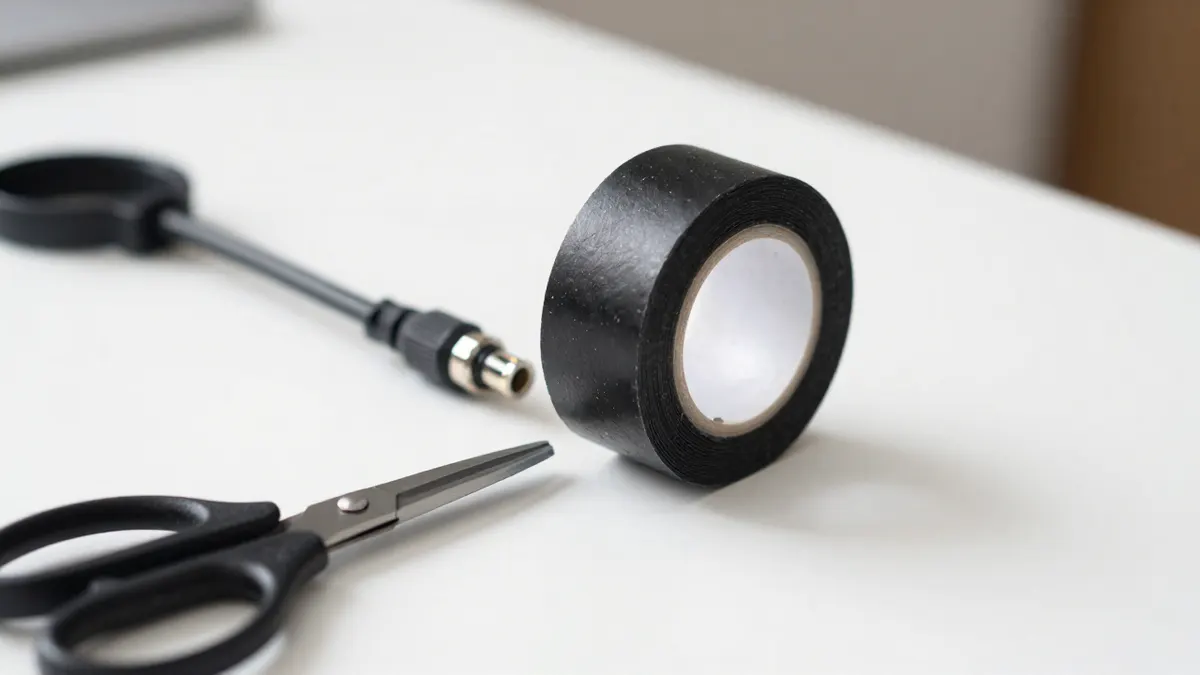
What J20 waterproof tape is made for
The tape is a thin rubber strip, usually around 25 mm wide and 0.5 mm thick, sold in rolls of about 3 to 10 metres. It stretches to roughly twice its length, and that stretch is what creates the seal.
On a hotspot setup, typical jobs are:
- Covering the N-type or SMA joint between an antenna and its pigtail
- Sealing a coax splice or lightning arrestor junction
- Wrapping the point where a cable leaves a mast clamp or bracket
- Adding a second barrier over a cable entry on a box
It handles temperatures from about -40 °C to 90 °C, so winter frost and summer roofs are both fine. UV is usually not a problem with black tape, though a layer of PVC tape on top extends its life in strong sun.
How to wrap a connector with self-bonding tape
Dry the connector first. Tape trapped over a damp joint will hold the water in, which is worse than no tape at all.
- Tighten the connector by hand, then a quarter turn with a wrench if the type allows it.
- Peel off the plastic backing film while you wrap (many rolls have one).
- Start about 2 cm before the joint, on the cable jacket.
- Stretch the tape to around half its original width and wrap upward with a 50 percent overlap.
- Go past the joint by 2 cm, then come back down with a second layer.
- Press the whole sleeve firmly with your fingers to close any air channels.
Two layers (one up, one down) is the usual minimum. Three is better on a joint that faces rain directly. The bond reaches full strength in about 24 hours, so avoid pulling on the cable during that time.
Common mistakes with J20 waterproof tape
Wrapping loosely is the big one. Without stretch, the layers never fuse and water creeps in along the spiral gaps.
Another frequent error is starting the wrap on the connector itself and ending on the connector. Always begin and end on the cable jacket, with the tape angled so water runs off and not into the seam. Wrap from the bottom up, like roof shingles.
Third, people use the tape as a substitute for a real enclosure. It protects a joint, not a whole device. Powered electronics, PoE injectors and Ethernet ports belong inside an IP66 waterproof enclosure, with the tape as an extra layer at the cable entries.
Tape, glands and enclosures: how they fit together
For cables entering a box, a proper gland does the main sealing job. A Cable gland M12-M20 suits thin coax and power leads, while a Cable gland nut M12-M32 covers thicker Ethernet or multi-core cables. Tape can then be added around the outside of the gland and cable as a drip barrier, but it should not replace the gland.
Inside the box, condensation is the quieter threat. Even a perfect seal lets humid air in during the day and cools it at night. A Dehumidification bag for enclosure, replaced or dried out every few months, keeps the air dry enough to protect the board.
Removing and reapplying the tape
Do not try to unwrap it like electrical tape. The fused layers will tear. Slice lengthwise along the cable with a sharp blade, taking care not to cut the coax jacket, and peel the sleeve away in one piece.
Check the connector for corrosion while it is open. Green or white powder on the threads means water got in earlier. Clean it, let it dry, and rewrap with a fresh length. Used tape cannot be reused.
A roll stored in a cool, dark place, with the backing film still on, stays usable for roughly two years.
Frequently Asked Questions
Is J20 waterproof tape fully waterproof?
Properly wrapped with two or three stretched layers, it blocks rain and splashes very well. It is not rated for permanent submersion. For joints that sit in standing water, add a heat-shrink sleeve with adhesive lining.
How long does self-bonding tape last outdoors?
Expect around 3 to 5 years on a shaded mast and 1 to 2 years in harsh sun and coastal air. Adding a wrap of UV-resistant PVC tape over the top extends that noticeably.
Does the tape damage connectors or cables?
No. It contains no adhesive that bonds to metal or jacket, so it cuts off cleanly. Just avoid slicing too deep when removing it.
How much tape do I need for one N-type connector?
About 40 to 60 cm covers a standard connector with two layers and a 50 percent overlap. A 3 metre roll therefore seals five or six joints.