LMR-400 N-Female to SMA-RP-Male Cable: What It Is and When You Need It
An LMR-400 N-female to SMA-RP-male cable is a short low-loss coax jumper. One end has an N-female socket, which takes an outdoor antenna or a lightning arrestor with an N-male plug. The other end is an SMA-RP-male plug, which screws onto the reverse-polarity SMA port found on many LoRaWAN hotspot miners and routers.
Many installers pair the N-female end with an LMR-400 N-male to SMA-RP cable when the antenna and radio use different connectors.
Check the gender on both devices before anything else. Most mistakes come from that.
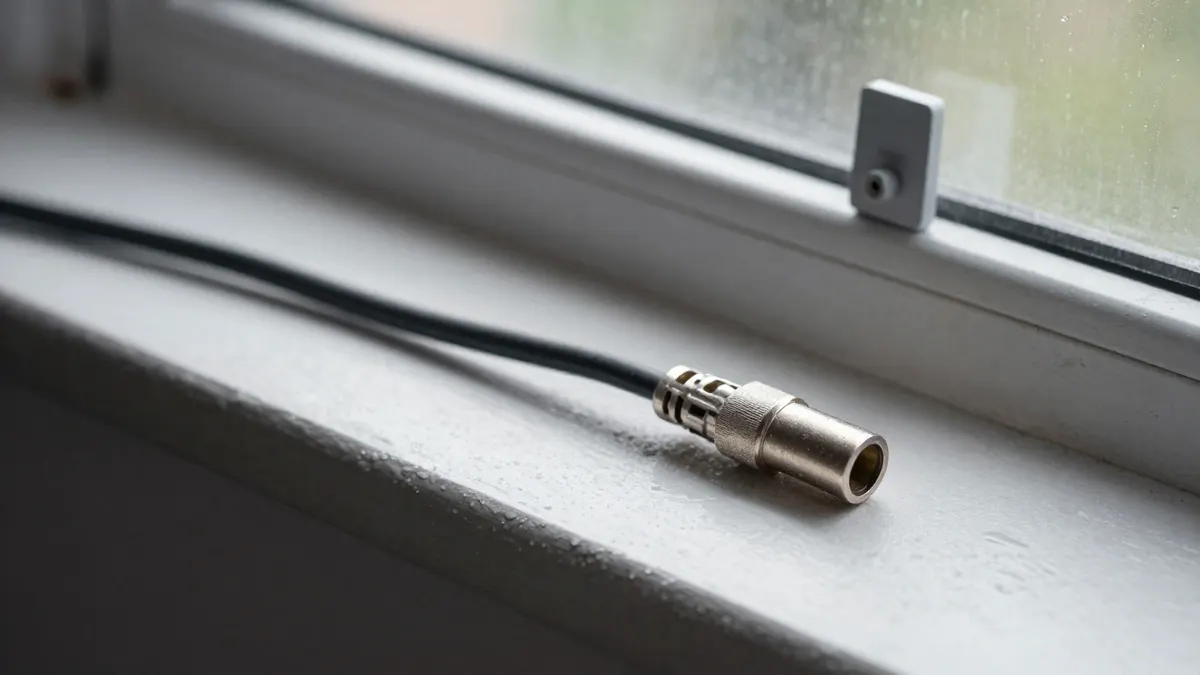
Connector layout explained
The N-female end has a threaded collar with a hollow center pin socket. The SMA-RP-male end looks like a standard SMA male because it has an external thread and a plug body, but the center is different: a reverse-polarity male has a socket inside instead of a pin. That detail is what trips people up.
So the cable only mates with a device whose port is SMA-RP-female (a threaded port with a center pin). Many hotspot miners ship this way. If your device port has a hollow center, you need a different cable.
Why LMR-400 instead of thin cable
LMR-400 is about 10.3 mm thick, with a solid center conductor and a double shield. At 868 MHz, the common European LoRa band, loss is roughly 0.7 dB per 10 meters. At 915 MHz it is a little higher, around 0.75 dB.
Compare that with thin RG-58 style cable, which loses about 3 dB over the same 10 meters. Three dB means half your signal power gone. For a hotspot with an antenna on a mast, that gap decides how many witnesses you reach.
Typical lengths and loss
- 1 m: about 0.07 dB, negligible
- 3 m: about 0.2 dB
- 5 m: about 0.35 dB
- 10 m: about 0.7 dB
Connector pairs add a further 0.1 to 0.2 dB each, so a jumper with two good connectors rarely loses more than 0.5 dB at 5 meters. Prices for assembled cables usually start around 15 to 30 EUR for 1 to 3 meters, and go up with length.
Using the LMR-400 N-female to SMA-RP-male cable with a hotspot
The usual setup: hotspot indoors or in a weatherproof box, cable running to a fiberglass or collinear antenna outside. The cable terminates in N-female, the antenna has an N-male base, and you add a lightning arrestor in between if the mast is exposed.
For outdoor runs that need low loss, our HHS-400 antenna cable is a sturdier option.
Keep the run as short as practical. A 3 m cable and a better-placed antenna beats a 10 m cable in a poor spot. LMR-400 is also stiff, with a minimum bend radius near 25 mm for a fixed install, so plan your turns and avoid sharp kinks at the hotspot port. A short flexible pigtail at the device end saves strain on the SMA thread.
Getting the gender right on other variants
If your antenna has an N-female base, you need the other arrangement, and the LMR-400 N-male to SMA-RP version covers that. If your device has a standard SMA port instead of reverse polarity, the LMR-400 N-female to SMA-male variant is the one that fits. Neither will mate with the wrong port, even if the threads look identical.
Check the cable ends, because an LMR-400 N-female to SMA-male is a different part from the one above.
Some buyers prefer a different cable family with a similar spec. The HHS-400 antenna cable is one such option, with comparable loss figures and a slightly different jacket.
Installation checks
- Hand-tighten the SMA nut, then a quarter turn with a wrench at most
- Seal outdoor N connectors with self-amalgamating tape, then vinyl tape over it
- Drip loop the cable before it enters the building
- Never power a hotspot without an antenna attached
Frequently Asked Questions
Is SMA-RP the same as SMA?
No. The thread is identical, but the center contact is swapped. An SMA-RP-male has a socket and mates with an SMA-RP-female port. Forcing the wrong pair together will either not connect or damage the pin.
How long can an LMR-400 cable be for a LoRa hotspot?
Most people stay under 5 to 10 meters. At 868 MHz, 10 meters costs roughly 0.7 dB, which is acceptable. Past 15 meters the loss starts to cancel out the gain of a better antenna.
Do I need a lightning arrestor?
For any antenna on a roof or mast, yes, it is a sensible precaution. The arrestor sits between the antenna and the cable, usually N-female to N-female or N-male to N-female, and the ground wire must be properly bonded.
Will this cable work at 915 MHz or 2.4 GHz?
It works at 915 MHz with only slightly higher loss. At 2.4 GHz loss climbs to about 2.2 dB per 10 meters, so it suits Wi-Fi only on short runs.