HHS-400 Antenna Cable, N-Female to SMA-RP Male
The HHS-400 antenna cable is a low-loss 50 ohm coax jumper with an N-female connector on one end and an SMA-RP male on the other. It is built to bridge a outdoor LoRa antenna, which usually carries an N-male base, to a hotspot miner whose antenna port is a reverse-polarity SMA. Cable of this class is comparable to LMR-400 in diameter (about 10 mm) and in attenuation.
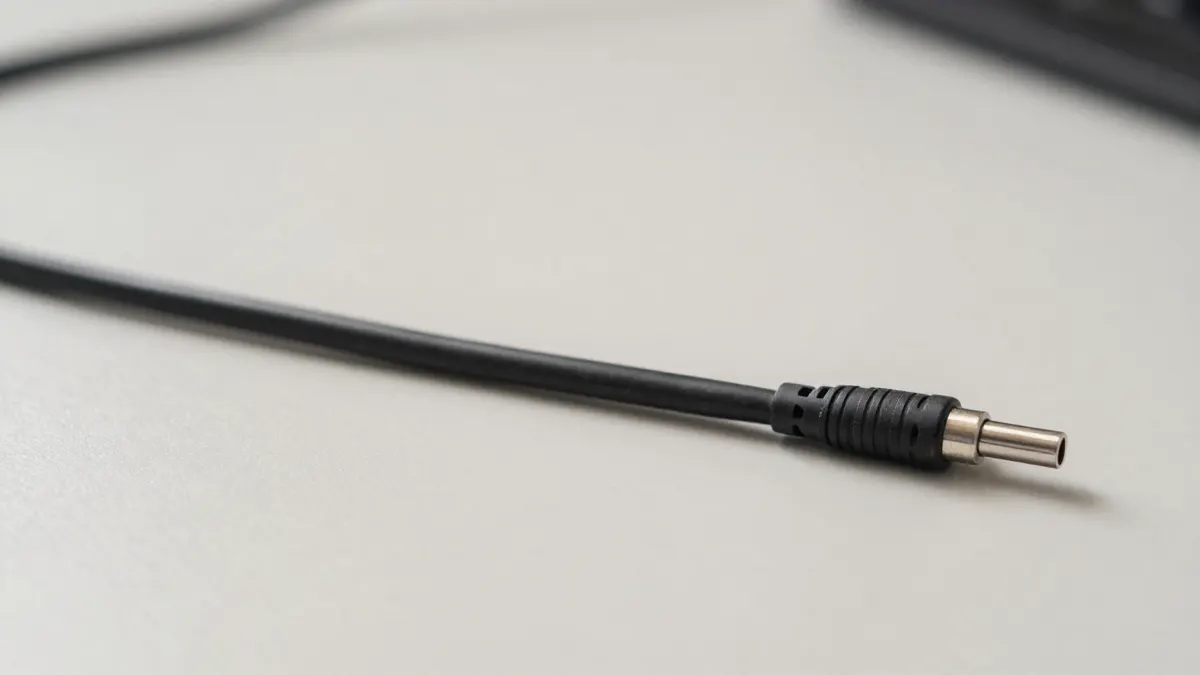
What the HHS-400 antenna cable is used for
Most people reach for it when a hotspot sits indoors and the antenna has to live outside, on a mast, a balcony rail or a roof. The thick 400-series cable keeps signal loss low over runs where thin RG58 would waste a lot of power.
At 868 MHz, the EU LoRaWAN band, a 400-class cable loses roughly 0.2 dB per metre. At 915 MHz the figure is close to 0.22 dB. RG58 at the same frequency loses around 0.6 dB per metre, so the gap is large.
How long can the cable be?
Short. Every metre costs you a little, and a hotspot receiving weak LoRa packets has little margin to spare.
- 3 m: about 0.6 dB lost, barely noticeable
- 5 m: about 1 dB lost, fine for most setups
- 10 m: about 2 dB lost, acceptable only with a high-gain antenna
Add roughly 0.1 to 0.2 dB for each connector pair. If you need more than 10 m, consider moving the hotspot closer to the antenna and running Ethernet and power instead, which tolerate distance far better than radio signal does.
N-female to SMA-RP male: checking your connectors
Connector gender confuses buyers more than anything else with these cables. Look at your hotspot port first. A reverse-polarity SMA has a male-style barrel with an internal socket, or the opposite, depending on the maker, so read the label or the manual rather than judging by eye.
Then check the antenna base. A plain outdoor fibreglass antenna with an N-male plug needs an N-female on the cable, which is what this version provides. If your antenna ends in an N-female instead, you want the opposite gender, such as the HHS-400 N-male to SMA-RP variant.
If the hotspot port is a standard SMA rather than reverse-polarity, the HHS-400 N-female to SMA-male cable is the match. Mixing standard and reverse-polarity SMA will not thread together properly, and forcing it can damage the centre pin.
HHS-400 versus other 400-series cables
LMR-400 is the best known name in this category, and its specifications are very close. The LMR-400 N-female to SMA-RP cable has the same connector layout and nearly identical loss, so the two are practical substitutes. Differences show up in jacket quality, shielding coverage and how the connectors are crimped, not in the headline attenuation figure.
Whatever you choose, the cable bends poorly. The minimum bend radius is about 25 mm for a static install, so avoid sharp corners at the hotspot and where the cable leaves a window frame.
Weatherproofing and installation tips
The jacket handles UV and rain, but the connector joints do not. Wrap the outdoor N connection with self-amalgamating tape, then add a layer of vinyl tape over it. Leave a small drip loop so water runs off before reaching the plug.
Tighten N connectors by hand, plus a gentle quarter turn. Pliers crush the thread. For the SMA end, finger tight is enough, and a torque wrench set near 0.5 Nm is the ideal if you have one.
Fit a lightning arrestor only if the antenna is the highest point nearby. It adds some loss, around 0.2 dB, so skip it on sheltered installs.
Frequently Asked Questions
Is the HHS-400 antenna cable the same as LMR-400?
They belong to the same class: 50 ohm, about 10 mm thick, with similar loss figures. Exact shielding and jacket details can differ between makers. For a hotspot run under 10 m the practical gap is small.
Will it work with a Helium hotspot on 868 MHz or 915 MHz?
Yes. The cable is rated well beyond both bands, up to several GHz. Make sure the antenna itself is tuned for your regional band, since the cable cannot correct a mismatched antenna.
How do I know if my port is SMA-RP?
Check the hotspot's documentation or the marking near the port. Many LoRa hotspots use reverse-polarity SMA, but not all, so confirm before choosing a cable.
Can I join two cables to make a longer run?
You can, with an N-female to N-female barrel adapter, but the join adds around 0.2 dB and one more spot for water to get in. A single longer cable is almost always better than two short ones coupled together.